


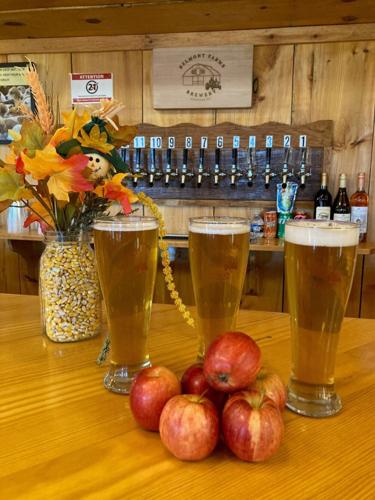
For 40 years, Belmont Farms Distillery has been known for crafting whiskey and moonshine in Culpeper, but now there’s something new brewing at the farm, and it might just surprise you.
Hard cider!
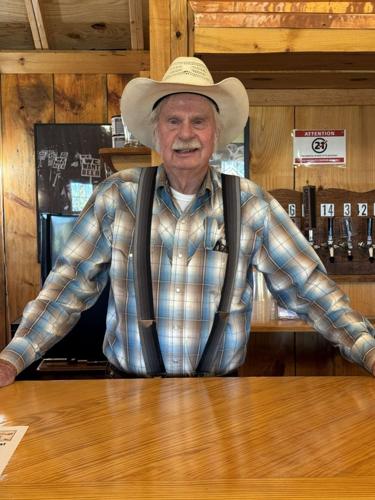
This Virginia Cider Week, we’re going beyond the tasting room to meet the people bringing unique cider experiences to Culpeper. Meet Chuck Miller of Belmont Farms Distillery, who is bringing decades of distilling experience, a little creativity, and a customer-first approach to the world of cider.
A new chapter at Belmont Farms
Belmont Farms has spent decades building its reputation around quality whiskey and moonshine. So why add cider to the mix?
According to Chuck, the answer is simple: their customers wanted it.
People are also reading…
“We just recently received the license to make cider,” Chuck shares. “But because we have enjoyed making quality whiskey for 40 years, we wanted to make our customers happy and provide something else they have been asking for.”
For a business with such deep roots in spirits, cider offers an exciting opportunity to introduce visitors to something different while continuing to do what Belmont Farms does best, and that’s create beverages people enjoy.
And unlike a limited seasonal experiment, cider is something the distillery plans to keep available throughout the year.
“We will keep it as an option for our customers every month,” Chuck explains.
That means whether you’re visiting during Virginia Cider Week or planning a future trip to Culpeper, there may be something new waiting for you to try.
From apple whiskey to hard cider
What makes Belmont Farms’ cider story especially interesting is where it begins. The same apple juice used to flavor the distillery’s apple whiskey and apple pie moonshine is now becoming the foundation for its hard cider.
For Chuck, working with apples isn’t entirely new territory.
“We also have a lot of experience in experimenting with flavors and are bringing that to our cider.”
That experience gives Belmont Farms an opportunity to explore different flavor combinations while staying true to its roots.
And while whiskey and cider are two very different beverages, the farm’s willingness to experiment is something they share.
The goal isn’t necessarily to create one signature cider. Instead, Chuck wants to offer a variety of options that appeal to different tastes.
“We are looking to provide something for everyone.”
Whether you prefer something dry, slightly sweet, or a little unexpected, Belmont Farms is exploring ways to make cider an enjoyable addition to the tasting experience.
The surprising science behind the cider
Making hard cider might sound as simple as fermenting apple juice, but Chuck explains that there’s much more happening behind the scenes.
At Belmont Farms, the process begins with the apple juice already used in the distillery’s flavored spirits, but before fermentation can begin, there’s an important adjustment to make.
The juice initially contains too much sugar for the yeast used in their process, so they add water to bring the sugar concentration to the right level.
Then comes one of the more surprising parts of cider-making: temperature.
“The surprising thing is how cold it needs to be while fermenting. We keep it close to 50 degrees,” Chuck explains.
That’s a chilly environment for fermentation, and it requires a little extra patience.
“That makes it take longer to finish but it gives it a great taste.”
By keeping the fermentation temperature low, Belmont Farms allows the process to move more slowly, helping develop the flavor Chuck is looking for.
Sweet, dry, or a little spicy?
One of the best parts of exploring craft cider is discovering just how different one glass can taste from another.
For someone trying cider for the first time, Chuck recommends starting with something approachable.
“I would give them a slightly sweet cider,” he says. “The non-sweet cider might not be for everyone and the slightly sweet cider is probably something they are expecting.”
What does Chuck personally enjoy? The dry cider.
“I enjoy the base dry cider best because it is the purest form of what the cider tastes like and has notes that are naturally produced.”
It’s also his recommendation for visitors who typically enjoy wine, beer, or cocktails and want to give cider a try.
For those who enjoy something a little more adventurous, Belmont Farms has experimented with a flavor you might not expect.
Habanero cider.
From traditional dry cider to unexpected flavor combinations, there’s plenty of room to discover something that suits your taste.
Why give Virginia cider a try?
With so many beverage options available, what makes Virginia cider worth exploring?
For Chuck, it’s all about variety.
“Someone should try Virginia cider because every cider is different, whether it is the apples that are used or the alcohol content that is produced.”
Each maker brings their own ingredients, techniques, and personality to the process, creating opportunities to experience something different with every visit.
Cider is better when…
“Cider is better when…”
His answer?
“With friends.”
Because while the flavors, ingredients, and techniques behind cider are fascinating, some of the best experiences come from sharing something new with the people around you.
And what better time to explore it than Virginia Cider Week? Gather your friends, plan a visit to Belmont Farms Distillery, and discover a new side of this Culpeper favorite.


