


July 28, 2026
Sarah Hertz Mahoney
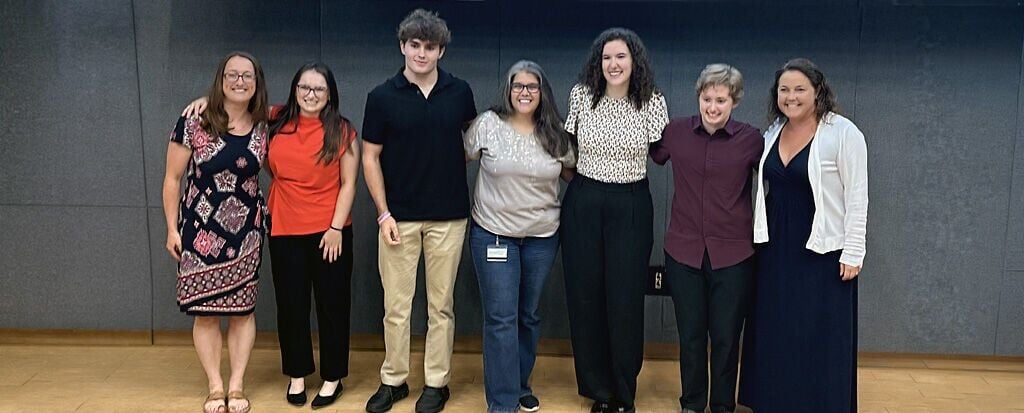
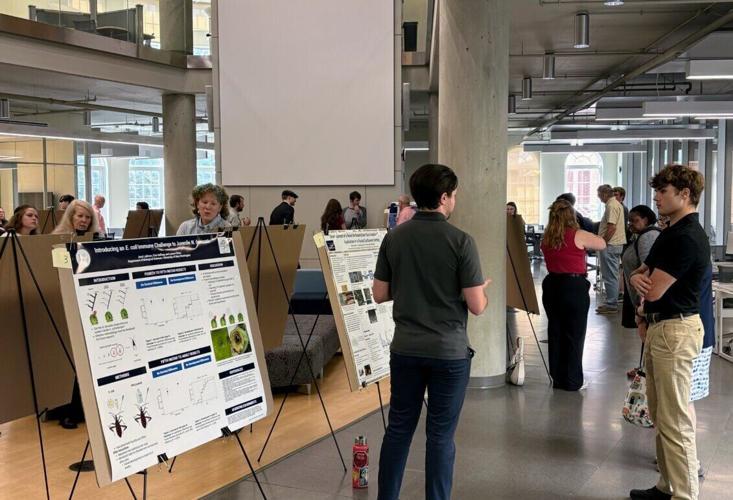
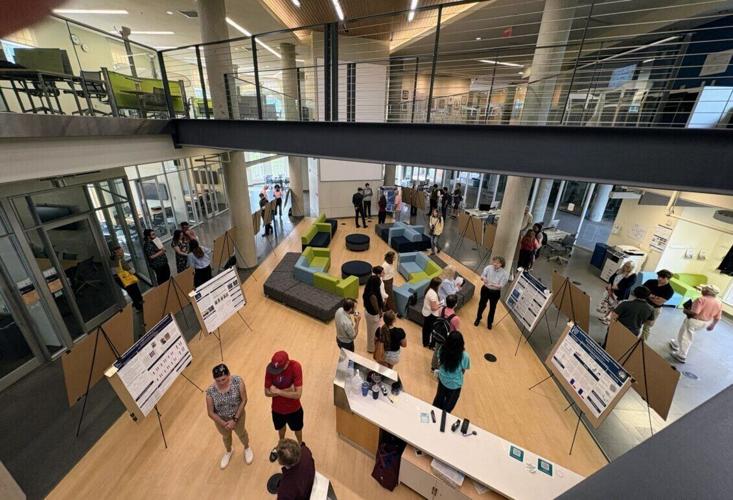
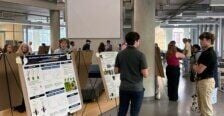
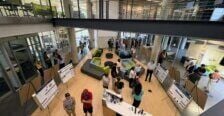
One by one, University of Mary Washington students stepped to the podium or stood beside posters, ready to present the results of 10 weeks of intensive research to faculty, classmates and judges. As the symposium progressed, students grew increasingly confident, discussing their findings and fielding questions like seasoned researchers.
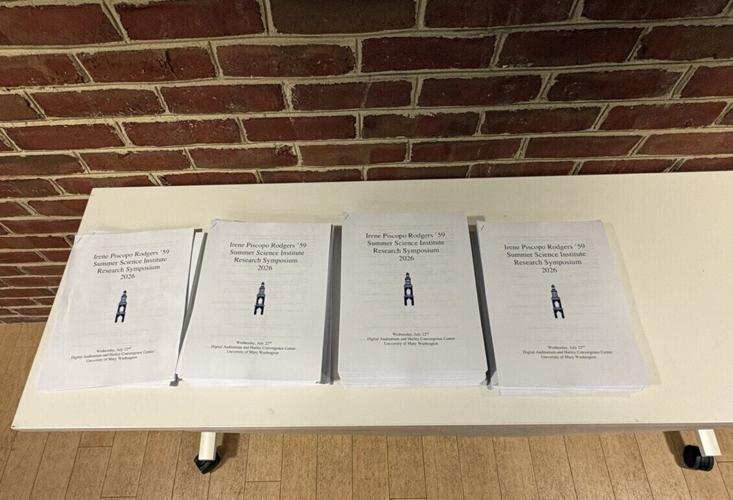
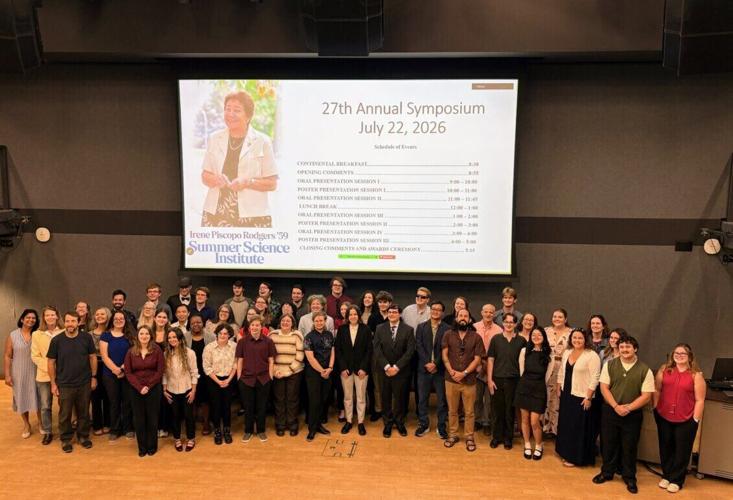
Now in its 27th year, the Irene Piscopo Rodgers ’59 Summer Science Institute gives UMW undergraduates the opportunity to immerse themselves in scientific inquiry under the guidance of faculty mentors. This year’s culminating symposium, held at the University’s Hurley Convergence Center, showcased research on topics ranging from breast cancer therapies and artificial intelligence to quantum computing, environmental contamination, climate reconstruction, dark matter, invasive species, sustainable chemistry and public health.
People are also reading…
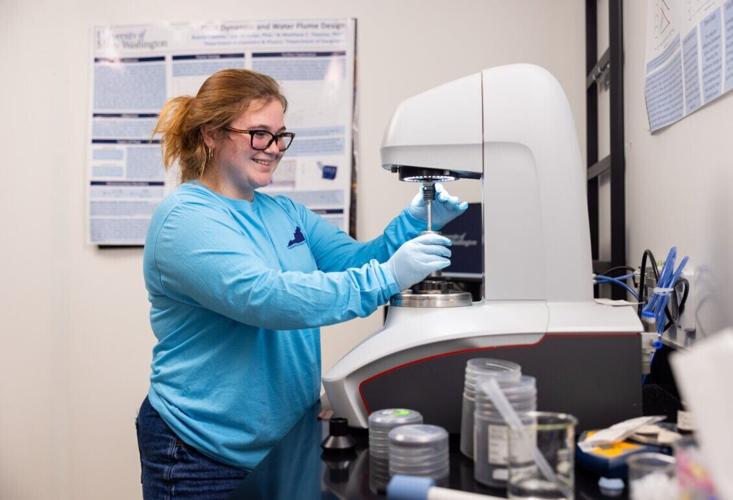
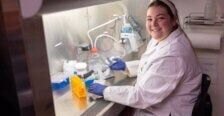
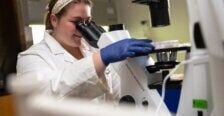
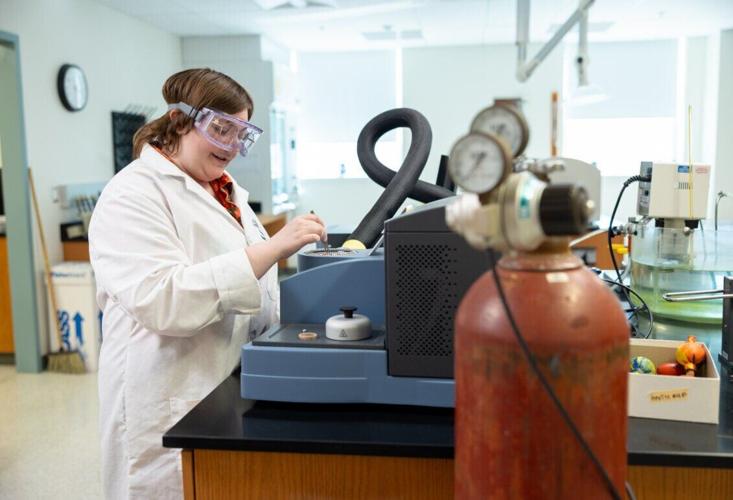
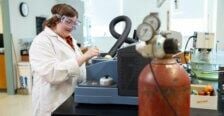
This year, 33 students representing seven STEM disciplines participated in the Institute. They received full funding, including housing, meal plans and a stipend, allowing them to focus entirely on research. Their projects took them from campus laboratories to field sites in Florida, Charlottesville and along the Potomac River.
“The quality of the presentations, especially the oral presentations, was very high this year,” said Elizabeth Lewis, director of undergraduate research and professor of Spanish, who also directs UMW’s Research and Creativity Collaborative. “The students were very engaged and supportive of each other.”
Professor of Chemistry Randall Reif, who directs the Summer Science Institute (SSI), echoed that sentiment, saying, “There was an added focus on social programming this year that I believe truly paid off. We saw friendships develop and the sharing of ideas across departments, disciplines, and buildings. This was inspiring to see happen.”
Senior ACS-certified chemistry major Hayden George, who worked with faculty mentor Professor of Chemistry Nicole Crowder, said the collaborative environment became one of the most rewarding parts of the summer.
“Although we all had different projects, being able to work near people who were equally passionate made the whole experience worthwhile,” said George, whose first-place poster explored developing new chemical systems that could convert captured carbon dioxide into useful products such as green fuels.
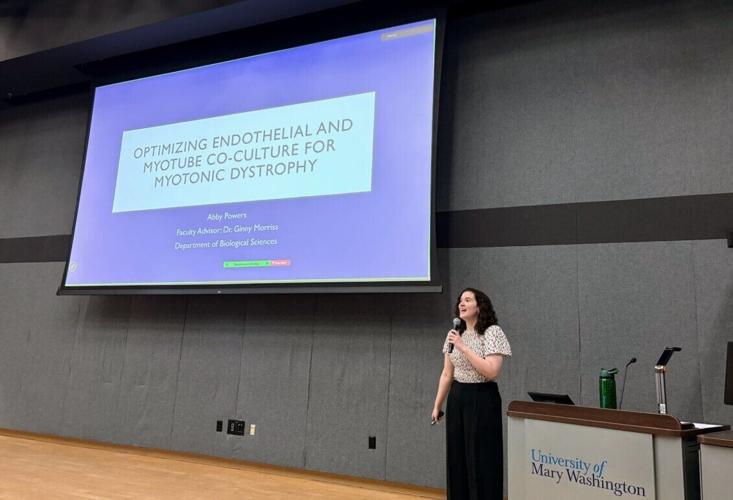
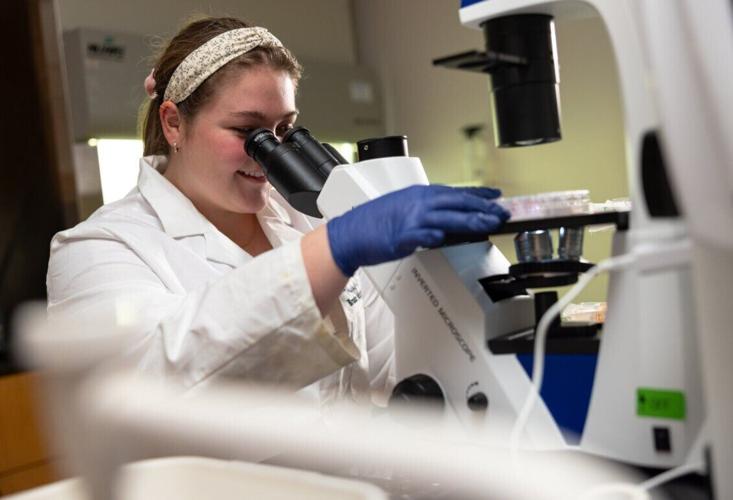
Also recognized was senior Abby Powers’ first-place oral presentation, which examined how a genetic disorder called Myotonic Dystrophy Type 1 affects blood vessel stability. Working with Associate Professor of Biological Sciences Ginny Morriss, Powers developed laboratory methods that could help researchers better understand the disease and its impact on blood vessel formation.
A biomedical sciences major pursuing a minor in practical ethics, Powers said one of the biggest surprises of the summer wasn’t what she learned in the lab, but how much she enjoyed mentoring and teaching newer undergraduate researchers, an experience that sparked an interest in pursuing a career in education.
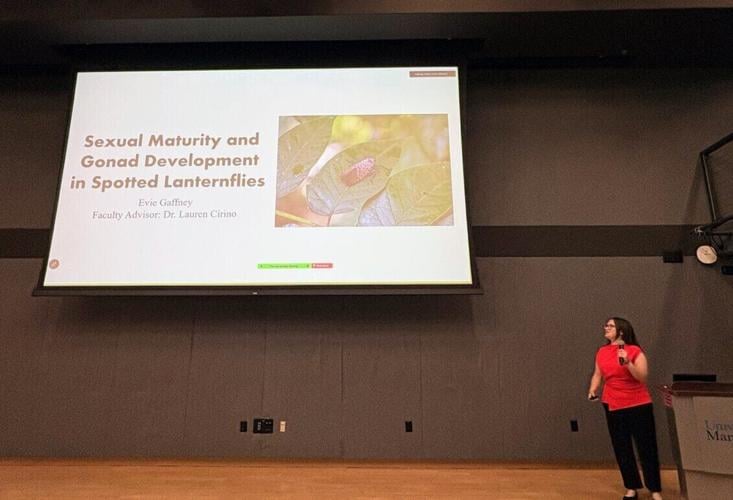
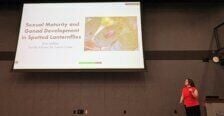
Second-place oral presentation winner Evie Gaffney, a senior biology major, working with Assistant Professor of Biology Lauren Cirino, investigated the reproductive development of spotted lanternflies, an invasive insect that threatens vineyards, orchards and other crops. By determining when the insects reach sexual maturity, her research could help inform future strategies for controlling their spread.
Gaffney said the most rewarding part of the experience was seeing each discovery lead to new questions. “Every finding revealed a new avenue worth exploring in the future,” she said.
Second-place poster winner Rylan Neal, who also worked with Morriss, studied how Myotonic Dystrophy Type 1 alters cellular signaling involved in muscle growth and blood vessel formation. “I didn’t expect how much I’d enjoy troubleshooting,” said the sophomore biomedical sciences major. “When a protocol didn’t work, I found myself digging through studies trying to figure out why, and that process ended up being one of the parts of research I liked most.”
Those challenges became one of the greatest rewards of his SSI experience. “There were many moments where experiments failed or protocols didn’t work as expected, and I had to push through the frustration instead of giving up,” Neal said. “Looking back, I can see how much more confident and capable I became just by working through those setbacks.”
Reif said these experiences are central to what makes the Institute unique. “SSI is a great place to learn vital skills beyond content knowledge,” he said. “The symposium showed that these students made tremendous strides in oral communication. The talks and poster presentations really showcased those skills.”
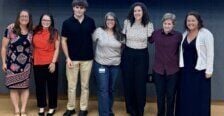
At the conclusion of the symposium, judges recognized outstanding oral and poster presentations with scholarships from the John C. and Jerri Barden Perkins ’61 Student Research Endowment.
Oral Presentation Awards
• First Place: Abby Powers, Optimizing an Endothelial and Myotube Co-Culture Model to Assess the Effect of Myotonic Dystrophy Type 1 on Vascular Stability (Faculty Advisor: Ginny Morriss)
• Second Place: Evie Gaffney, Sexual Maturity and Gonad Development in Spotted Lanternflies (Faculty Advisor: Lauren Cirino)
Poster Presentation Awards
• First Place: Hayden George, Copper Three Ways: Surface-Bound Electrocatalytic System for Carbon Dioxide Reduction (Faculty Advisor: Nicole Crowder)
• Second Place: Rylan Neal, Quantification of PDGFRβ and PDGFB Expression in a Human Muscle Model of Myotonic Dystrophy (Faculty Advisor: Ginny Morriss)
Since its founding nearly three decades ago, the Summer Science Institute has incorporated an array of new disciplines and given over 500 students the chance to conduct undergraduate research on campus and in the field. In 2024, it was renamed to honor Irene Piscopo Rodgers ’59, whose gift of more than $30 million to the University helps ensure the continued growth of undergraduate STEM research opportunities.


